



















A driving holiday in Europe need not start with a marathon journey. From Calais, you can reach a French seaside town, a Belgian canal city or a Champagne cellar without spending your first day behind the wheel. The useful question is how much driving you want to do once you get there.
LeShuttle carries your vehicle between Folkestone and Calais, with a scheduled crossing of around 35 minutes. That is the train journey, rather than your total travel time: allow for the drive to Folkestone, check-in, border formalities and your onward route. Here are six destinations worth building a holiday around, from a relaxed coastal weekend to a longer city break.
Where can you drive after LeShuttle?
| Destination | Approximate drive from Calais terminal | What to build the trip around | Suggested stay |
|---|---|---|---|
| Le Touquet | 1 hour | Beach walks, cycling and the Opal Coast | 2–3 nights |
| Lille | 1 hour 15 minutes | Architecture, art and food | 2 nights |
| Bruges | 1 hour 30 minutes | Canals and a walkable historic centre | 2–3 nights |
| Reims | 2 hours 35 minutes | The cathedral and Champagne cellars | 2–3 nights |
| Honfleur | 3 hours 10 minutes | Harbour streets and the Normandy coast | 3–4 nights |
| Paris | 3 hours 30 minutes | Museums, neighbourhoods and an activity day | 3–5 nights |
Driving times are rounded planning estimates from LeShuttle’s destination guides, before stops, congestion or roadworks. They exclude the crossing and UK journey. The stays above are suggestions: choose one base for a short break rather than trying to collect all six.
Le Touquet: an easy start on the Opal Coast
Le Touquet suits a first continental driving break because the onward journey is short enough to leave room for an afternoon outside. Make the beach and seafront your starting point, then use another day for cycling, a woodland walk or a slower lunch in town.
There is scope for a more active stay, with golf, sailing and sand yachting among the area’s options. Book organised activities directly and check age, weather and experience requirements. You do not need to fill every day: a beach morning followed by time in a café is a perfectly good coastal itinerary.
For drivers: ask your accommodation about parking before booking, particularly if you are bringing bikes or a roof box. A place within walking distance of the centre can let you leave the car alone for most of the weekend. LeShuttle’s guide to short journeys from Calais is a useful starting point for the route.
Lille: a city break without a long motorway day
Lille is a good choice when food, architecture and a museum matter more than beach weather. Start in Vieux-Lille, where the pleasure is in wandering between streets and squares rather than following a packed sightseeing schedule. Take in the Vieille Bourse, then leave time for a meal in an estaminet, the traditional local restaurant style.
The Palais des Beaux-Arts gives the trip an indoor focus if the weather turns. Check its current exhibitions and opening arrangements before settling your dates, and avoid making an arrival-day ticket dependent on a completely clear motorway run.
For drivers: choose a hotel with a clearly explained parking arrangement and explore the centre on foot or by public transport. Check the route into the car park, vehicle height limit and applicable access restrictions in advance. The official Old Lille guide helps with planning your walking time.
Bruges: park once and explore the canals
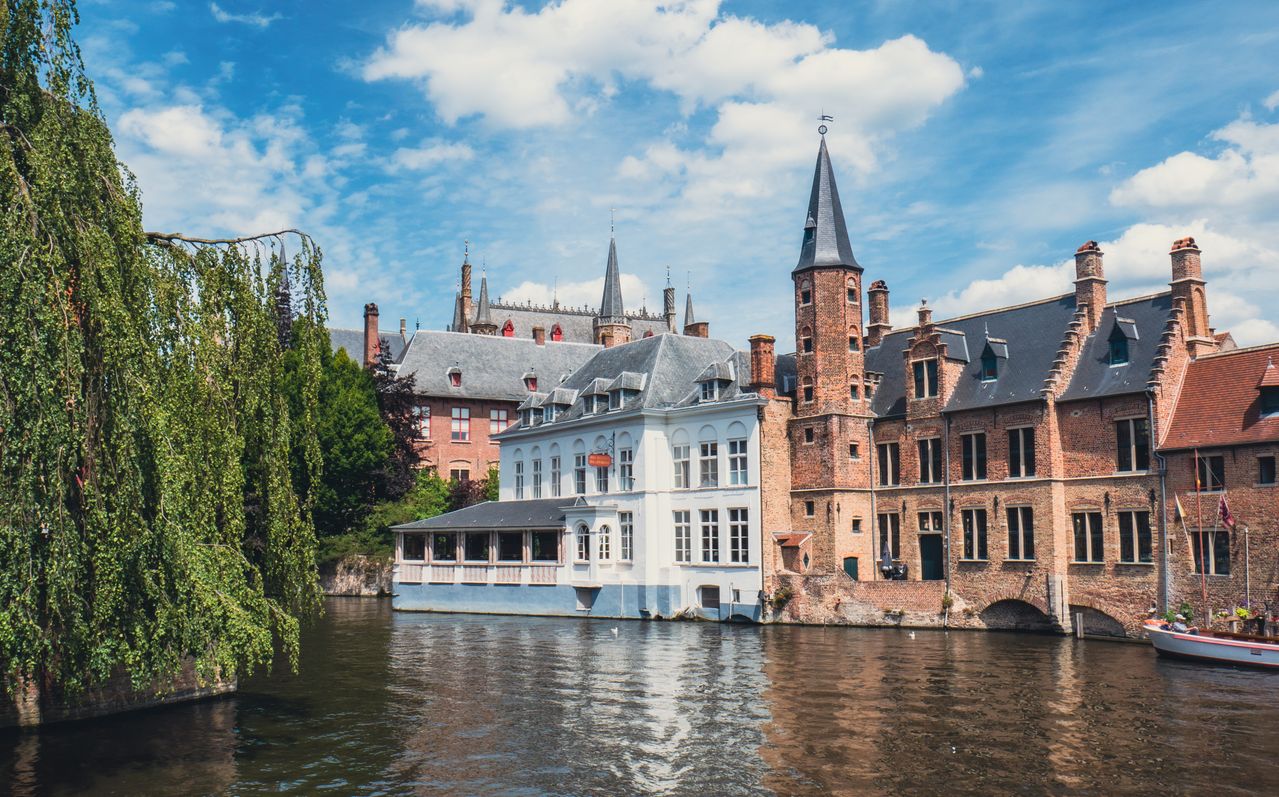
Bruges brings Belgium within comfortable weekend range of Calais. Spend your first afternoon finding your bearings around the Markt and canal-side streets, then use a full day for a museum, the Belfry or a boat trip when services are operating. Reserve timed attractions separately rather than assuming you can walk straight in.
Staying overnight gives you time to enjoy the centre after a day’s sightseeing without having to drive straight back to the terminal. For a gentler visit, choose one main attraction and leave space for smaller streets, shops and a long lunch.
For drivers: do not treat the historic centre as somewhere to circulate while looking for a space. Visit Bruges lists Centrum-’t Zand at around a ten-minute walk from the Markt, and Centrum-Station at around twenty minutes. Check the city’s parking and access guidance, and ask your hotel for arrival instructions if it is inside the centre.
Reims: cathedral streets and Champagne country
Reims makes sense for a short holiday with one urban base and a carefully chosen excursion. Begin with Notre-Dame cathedral and the surrounding streets, then book a Champagne cellar visit for another part of the stay. The city’s cellar guide is a useful way to compare houses before checking individual tour availability.
A car gives you options beyond the centre, but tasting and driving need separate plans. Choose a walkable cellar visit, arrange transport or have a driver who will not drink. Do not build an itinerary around guessing when someone will be fit to drive after a tasting.
For drivers: the direct A26 route involves tolls. Include those in the holiday budget alongside fuel or charging, rather than comparing crossing prices alone. Secure parking at your accommodation also makes a city-based stay easier.
Honfleur: a base for a slower Normandy holiday
Honfleur rewards a longer stay than a hurried stop on a road trip. Start around the Vieux Bassin, where tall waterfront buildings frame the old harbour, then explore the adjoining lanes and galleries. Leave some time unallocated: the appeal is being able to stop for a view or a meal without watching the clock.
With three or four nights, you can combine town time with a coastal outing towards places such as Trouville or Deauville. Decide whether you want a walkable harbour stay or accommodation outside town with easier parking; they offer different sorts of holiday.
For drivers: check the whole route and toll costs, including any bridge crossing. LeShuttle’s Honfleur driving guide outlines the journey via the Pont de Normandie. Give yourself a proper break on the way if you have already driven a long distance in Britain.
Paris: take the car to your base, then use the city’s transport
Paris works best as a driving holiday when the car gets you to your accommodation and then stays parked. Choose a base with straightforward parking and a useful Métro or RER connection. Trying to drive between central attractions can turn a flexible holiday into a series of parking problems.
Build each day around an area rather than crossing the city repeatedly. A Seine walk and one museum could fill a day; Montmartre and a neighbourhood lunch could shape another. Book major attractions ahead, but keep your arrival day light.
Adding some padel to the trip
If your group wants an active session alongside sightseeing, Padel Holidays lists stays in France, including Paris. Before combining a booking with your own driving itinerary, ask whether the arrangement can accommodate independent travel, which court sessions and coaching are included, and how you will get between the hotel and club. Do not assume the Channel crossing or local transport is part of the price.
For drivers: check emissions eligibility and access rules before choosing a hotel, not after arriving. The official Paris parking guide explains the options. If your vehicle requires a Crit’Air sticker, use the official French service and allow time for it to arrive.
Three ways to turn the destinations into a holiday
A long weekend: choose Le Touquet, Lille or Bruges as a single base. Two or three nights let you enjoy the destination without spending the middle of the break relocating.
Four or five nights on the coast: make Honfleur your main stay, with a night on the Opal Coast on the outward or return journey if it helps break up the driving. Check the actual route between your chosen hotels before booking.
A longer city-and-country break: combine Paris and Reims, allowing several nights in Paris and a separate stay in Reims. Treat the transfer as part of the itinerary, with realistic time for packing, parking and check-in.
What to check before booking your crossing
Price the whole trip: return crossing, fuel or charging, tolls, accommodation, parking and activities. A cheaper hotel can lose its advantage if you need expensive parking and a long journey into town every day. Compare the total cost for everyone travelling, rather than a headline fare.
Enter the correct vehicle details when booking LeShuttle, including any roof-mounted equipment, and follow the arrival instructions on your ticket. Check cancellation and amendment terms if your holiday dates are uncertain.
For the car, work through the UK government’s European driving checklist. Check your licence, insurance, vehicle documents, UK identifier and the equipment required in every country on your route. A hired or leased vehicle needs the appropriate permission and documentation for travel abroad.
Check current French entry and border requirements for every traveller, plus those of any other country you will visit. If you drive an electric car, plan charging stops around realistic range and verify the charging arrangements at your booked accommodation, including access and payment.
The best route is the one that leaves you time to enjoy arriving. Pick the destination first, make the parking and driving manageable, and leave enough space in the holiday for an unplanned afternoon.
Featured photograph: Alisa Savickaja / Pexels, showing Bruges, Belgium.